
Antioxidants are often referred to by those in the nutrition world, but what exactly do they mean?
As the word implies, an antioxidant is a substance that is ‘anti’, or ‘against’ oxidation. Which leads us to ask, what is oxidation?
Oxidation happens all around us, from rust building up on metal work, to apples going brown when cut. This results from exposure to oxygen. Chemically, oxidation is the loss of electrons during a reaction by a molecule, atom or ion, and this typically occurs when oxygen is added to a compound.
Oxidative stress within the body occurs when an oxygen molecule splits into single atoms with unpaired electrons. Because the stable norm of electrons is to be in pairs, when they become single they are known as ‘free’ (i.e. unpaired) radicals. These free or unpaired electrons move through the body trying to find electrons with which to pair. This can cause damage to cells, proteins and DNA within the body, potentially leading to a number of diseases, including cancer.
Oxidation occurs naturally in the body as a result of wear and tear in living and breathing. A number of factors however, can increase this oxidative load. Smoking, environmental pollutants, medications, illness, burnt and fried foods, too much sun, and even exercise can produce an increase in free radicals.

Nutritionally we want to ‘catch’ these free radicals in their attempt to gain an electron before they damage healthy cells. This is where antioxidants come into play. Antioxidants donate electrons to the free radicals and therefore neutralise them, preventing them from causing harm.
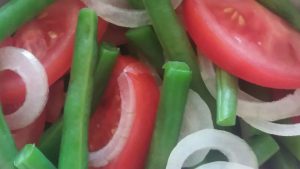
Some antioxidants are made within the body, while others are available abundantly in nature. Found within plant-based foods, a natural, wholefoods diet, has the potential to be rich in antioxidants. Some antioxidants are vitamins and minerals, for example vitamins C, A & E, and zinc & selenium. Others are food-based substances such as carotenoids (e.g. beta carotene found in orange fruit and veg) and lycopene (found richly in tomatoes – especially cooked tomatoes).
Including plenty of antioxidant foods in the diet has been shown to benefit:
Using 5-10 portions of vegetables each day will provide a load of wonderful antioxidants. For those who aren’t following an anti-candida diet, two of these portions may be swapped for fresh fruit. Making sure that lunch and dinner are based around vegetables will provide a good basis of antioxidant packed foods. To this include a palm-size portion of protein, such as free-range poultry or meat, fish, eggs, beans and nuts and seeds.
A Nutritionhelp diet will automatically be high in antioxidant foods, but sometimes it can be helpful to add in specific antioxidants as nutritional supplements. These can be helpful if fighting any infection, including intestinal yeast over-growth, or coping with seasonal or environmental allergies. Nutrients such as quercetin, grape seed extract and turmeric can be used alongside specific vitamins and minerals to support health, and encourage a good antioxidant status.

Get in touch with me at info@nutritionhelp if you would like your own antioxidant intake assessed in an effort to support health and longevity.
