

It is now over 35 years since I started working with natural foods. In that time I have seen many changes in attitudes towards food, including the present trend of including ‘superfoods’ in the diet. There is no official definition of a superfood, but they are generally accepted to be nutrient-rich foods considered to be especially beneficial for health and well-being.
The problem is that we try to find one or two key foods to add in to an otherwise unchanged diet, hoping they will be the answer to all our ills. Whether we are addressing heart disease, obesity, energy, or mental health, the tendency is to hope that a superfood to sort it out.

The fact is, no one ‘superfood’ will make good a diet that is high in sugar, alcohol, refined grains and packaged preservative-filled foods. No one superfood will compensate for general unhealthy eating habits. Rather than looking for a specific superfood, we need to move to a superfood diet – a diet full of good quality produce. We want each mouthful of our meals to count nutritionally, contributing to energy and longevity, rather than adding to the burden of stress our bodies have to cope with daily.
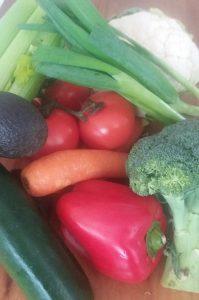 When I started working with natural foods back in the 1980’s, the importance of fibre in the diet was the main revelation. This predominantly meant eating whole grains, but of course, a healthy diet is so much more than this. Rather than just replacing white flour with brown, we want to embrace as many nutrient-rich foods as possible in order to get maximum nourishment in meals. This generally means reducing even whole grains, and increasing vegetables and seeds. These are also high in fibre but also wonderfully packed with vitamins, minerals and phytonutrients. Rather than isolating individual vegetables or seeds, aim to make these valuable groups of ‘superfood’s the basis of your diet.
With my own emphasis on a ‘superfood’ diet rather than isolated ‘Superfoods’, I was interested to read Dr Mark Hyman’s top superfoods list in a recent article. This list illustrates how key families of foods form the basis of a healthy diet. They are not just ‘add-ons’ to an unchanged attitude to food.
Please note, veggies should replace fruit if you are following an anti-Candida programme with Nutritionhelp.
 Plant foods. The vast, colourful array of vegetables represents over 25,000 beneficial chemicals. Research shows the synergistic balance of these chemicals provides numerous health benefits. I recommend a diverse diet with numerous, colourful, fresh veggies and fruits. Our hunter-gatherer ancestors ate well over 800 varieties of plant foods. Today, we don’t consume anywhere near this amount. Make that extra effort to include as many varieties of these colourful superfoods as you can.
 Healthy fats. Healthy cell walls made from high-quality fats are better able to metabolise insulin, which keeps
Chia seeds provide an excellent source of anti-inflammatory omega-3 fatty acids. These have numerous benefits, including glowing skin and mental clarity. Just one ounce of chia seeds packs a whopping 10 grams of fibre. Its insoluble fibre acts as a prebiotic. This feeds friendly gut bacteria and ferments into short-chain fatty acids to support gut health. Chia seeds also contain more protein than most plant foods. And they contain more calcium than milk.
Hemp seeds provide healthy omega-3 fats, protein, B vitamins, magnesium, zinc and iron.
Flaxseeds are another great source of omega-3 fats, dietary fibre and essential vitamins and minerals. Flaxseeds have powerful, anti-cancer, hormone-balancing phytonutrients called lignans. Freshly ground flaxseed sprinkled into a smoothie is an excellent way to ease constipation.
